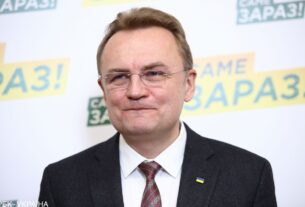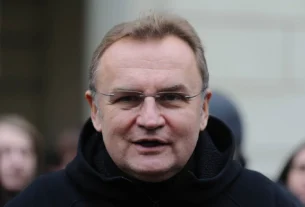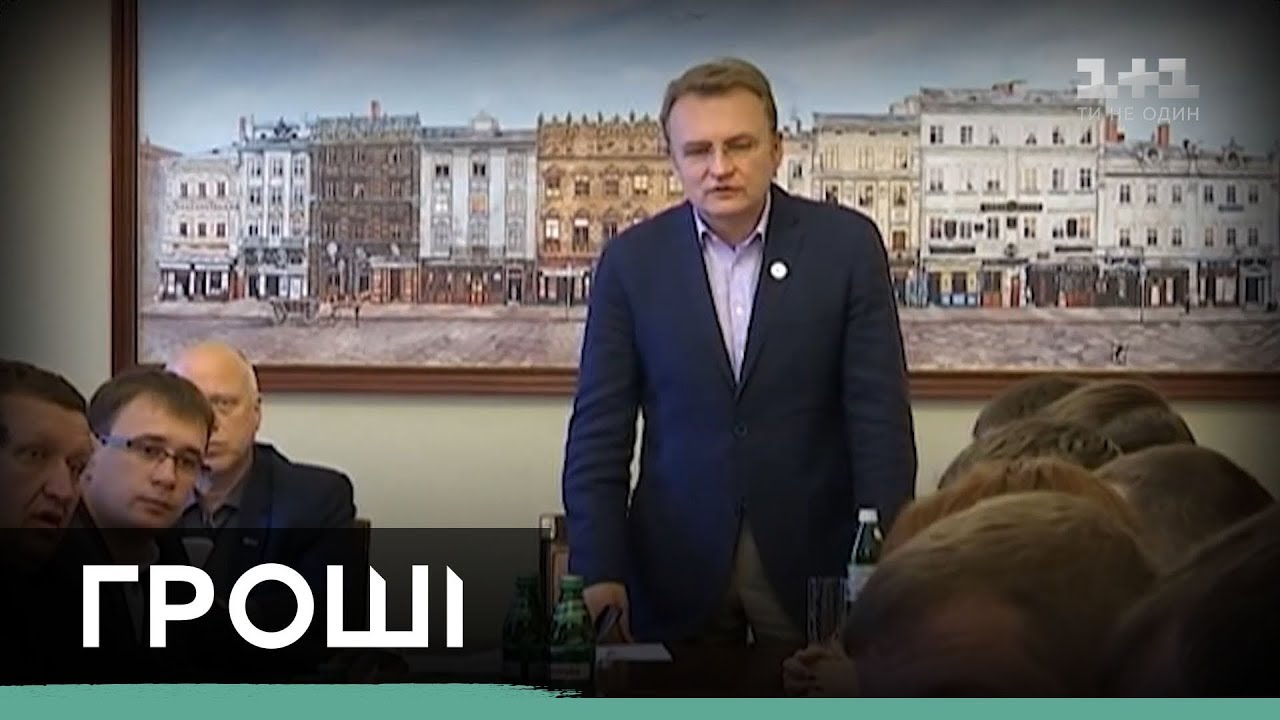
The revitalisation project on Pimonenko Street in Lviv is presented as the next stage in the renovation of abandoned industrial areas. However, an analysis of the executive committee’s decisions, the ownership structure of the companies and personal connections brings to the centre of this story not business as such, but a political figure – the city mayor Andriy Sadovyy.
Political control over the process
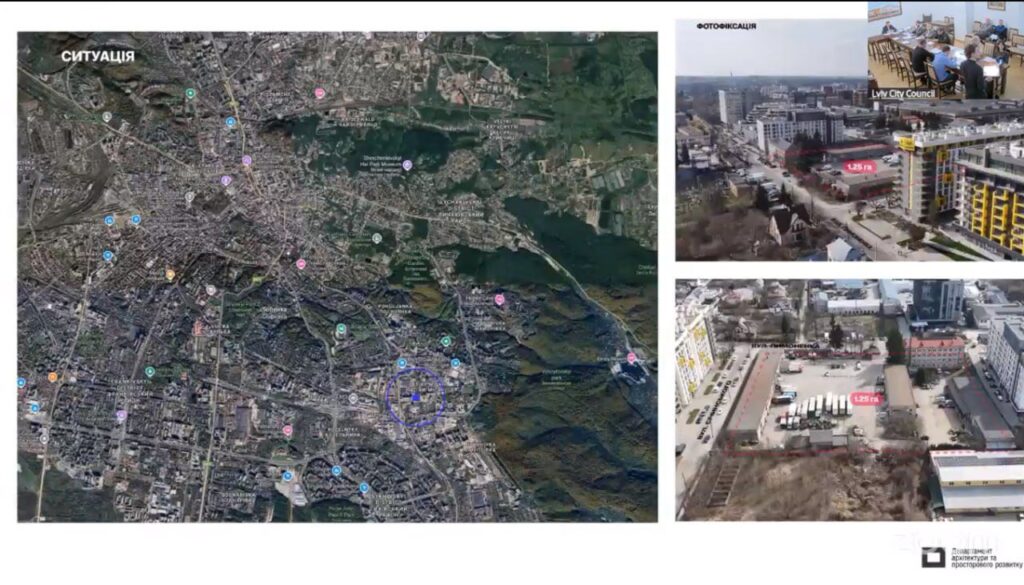
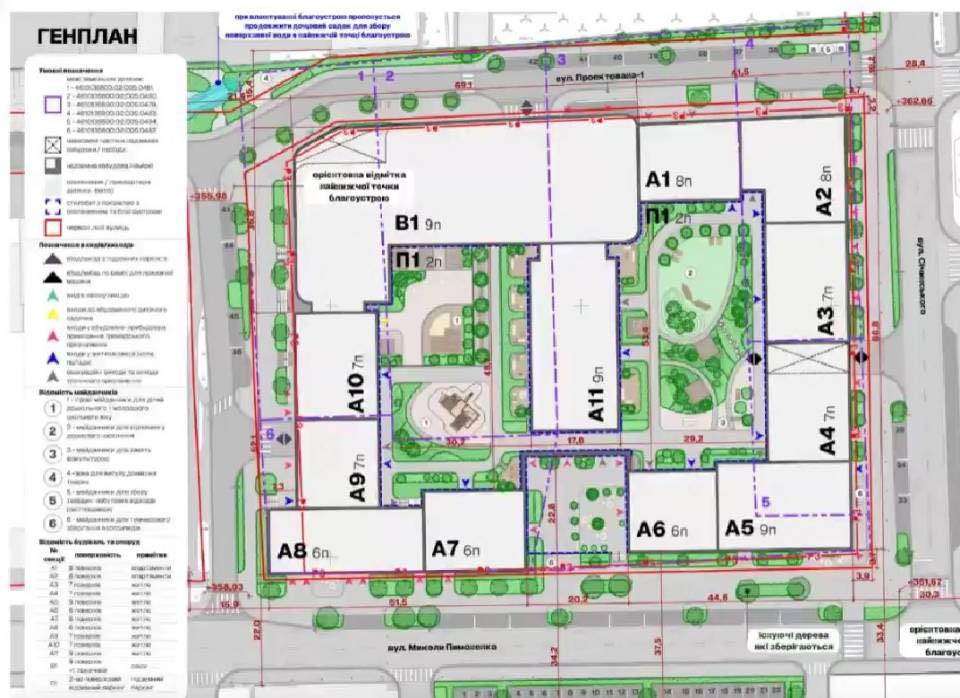
Formally, the decision to start development is made by the executive committee. In fact, it is a body that functions in the mayor’s political vertical. It was under Sadovyi’s cadence that a detailed territory plan (DPT) was approved back in 2018, which opened up the possibility of transforming 20.7 hectares of the industrial zone. Now this plan is beginning to be implemented through specific plots, in particular 4.86 hectares of the first phase.
The key issue is not the DPT itself, but who gets the right to implement it.
The environment as a beneficiary
The companies that were the first to enter the project – Tir Trailer and Lizbud – have direct or indirect ties to people in Sadovy’s inner circle.
- Through the Emotions Holding !Fest, the project features Andrei Khudo, Dmitry Gerasimov and Yuri Nazaruk – the latter has long worked in political structures associated with the mayor.
- Another line leads to Andriy Fedorenko, a former head of a public utility company and advisor to the mayor, who is directly associated in local political circles with personal ties to Sadov.
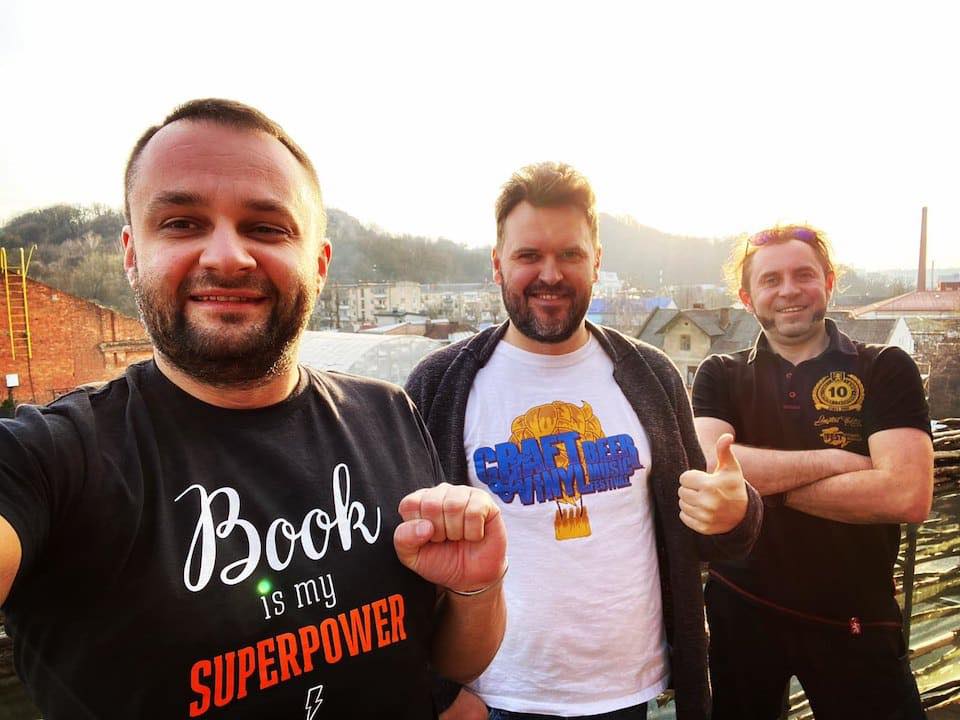
Thus, the project looks not like an open investment opportunity, but a controlled ecosystem where key roles are distributed among cronies.
The tactic of “opaque neutrality”
Illustrative is the speech of the chief architect Anton Kolomeitsev, who publicly did not name any investors. This communication strategy avoids political accountability and reduces attention to personal connections.
However, it is the lack of transparency in staff-business relations that is the central problem of this case study.
Repeating pattern
The development on Pimonenko fits into the broader context of city management under Sadovy:
- access to attractive land is given to related structures,
- decisions are made without publicly detailing the beneficiaries,
- communal property or territories change functional purpose for private projects.
Previous stories with properties in the centre of Lviv, including operations around Rynok Square, demonstrate a similar logic – the concentration of assets in a circle of individuals linked to the city’s political leadership.
In Pimonenko’s case, the key factor is not architecture or urbanism, but political responsibility. Andriy Sadovyi, as mayor of the city, is directly responsible for creating conditions in which the strategic territories of the city are under the control of his business-political entourage.
Without a transparent tender, public disclosure of beneficiaries and independent control, such projects look like a managed redistribution of urban resources rather than urban development.